For thousands of years, long before “intermittent fasting” became a trending hashtag, healers across India were prescribing periods of controlled food restriction as one of the most powerful tools for healing the body. In Ayurveda, this practice is called Upavasa – a Sanskrit term that translates loosely to “sitting near” or “dwelling close to the self.” It was never meant to be a punishing diet trend as today. It was, and remains, a disciplined method of resetting Agni (the digestive fire) and clearing Ama (metabolic toxins) so the body can heal itself.
Interestingly, Ayurveda is far from alone in valuing fasting. Nearly every major religious and spiritual tradition on earth has, in its own way, arrived at a similar conclusion: that periodic restraint from food serves both the body and something beyond it. Modern science has, in its own way, caught up with this old wisdom too. Research on intermittent fasting, caloric restriction, and time-restricted eating has linked these practices to improved insulin sensitivity, reduced inflammation, better cellular repair through autophagy, and even longevity benefits in animal studies. Here we look at fasting through three lenses – the physiological benefits recognized by contemporary research, its enduring place across the world’s religions, and the deeper, individualized wisdom Ayurveda brings to the practice, including the herbs traditionally used to support it.
What Ayurveda Actually Means by Fasting
In Ayurvedic thought, digestion is not just a mechanical process – it is considered the foundation of overall health. The classical texts state that most disease originates from a weakened or imbalanced Agni. When digestive fire is compromised, undigested food residue accumulates as Ama, a sticky, toxic byproduct believed to clog the body’s channels (srotas) and set the stage for chronic illness. Fasting, in this system, is a way of giving Agni a rest so it can strengthen and eventually burn through accumulated Ama – therapeutic first, with any weight change being a secondary effect.
Ayurveda does not prescribe one fasting method for everyone. It considers a person’s dosha – their constitution of Vata, Pitta, and Kapha – before recommending an approach.
- Vata types (light, quick, prone to anxiety and dryness) generally do poorly with prolonged fasting; short, gentle fasts with warm liquids are preferred.
- Pitta types (intense, fiery, prone to acidity and irritability) can usually tolerate moderate fasting but need cooling, hydrating support.
- Kapha types (steady, heavier build, prone to sluggish digestion) often benefit most, since fasting directly counters their tendency toward excess and stagnation.
This individualized approach is arguably Ayurveda’s most valuable contribution to the global fasting conversation – a reminder that no single fasting protocol suits everyone.
[read my blog to discover your unique Ayurvedic body type Doshas, Ayurveda and Genetics (Ayurgenomics)]
Fasting Across the World’s Religions
Long before nutrition science examined fasting, faith traditions had already woven it into their spiritual calendars – often for reasons that overlap strikingly with Ayurveda’s own logic of discipline, purification, and renewal.
- Hinduism observes fasting on numerous occasions, including Ekadashi (the eleventh lunar day, observed roughly twice a month), Sharavan, Navratri, and Maha Shivratri. These fasts are understood as acts of devotion and self-discipline, believed to purify both body and mind, and are traditionally thought to align with lunar cycles that also influence digestion – a concept with echoes in Ayurvedic timing.
- Islam observes Sawm during the month of Ramadan, one of the Five Pillars of Islam, in which observant Muslims abstain from food and drink from dawn to sunset for an entire lunar month. It is regarded as an act of spiritual discipline, empathy for the less fortunate, and self-purification.
- Christianity includes fasting traditions such as Lent, a 40-day period of reflection and abstinence observed by many Catholic and Orthodox Christians before Easter, along with practices like the Orthodox fasting calendar and periodic fasting observed in various Protestant traditions.
- Judaism observes several fast days, most notably Yom Kippur, the Day of Atonement, marked by a complete 25-hour fast from food and drink, along with other fasts such as Tisha B’Av.
- Buddhism encourages fasting in various monastic traditions, where monks often refrain from eating after midday, viewed as a practice supporting mental clarity and detachment from bodily craving.
- Jainism places fasting at the very centre of its spiritual discipline, with practices ranging from simple one-day fasts to the extended fast of Santhara, and Jain monks often observing extremely rigorous dietary restraint as a path to spiritual liberation.
Across all these traditions, the underlying themes are remarkably consistent: discipline, gratitude, purification, and a conscious pause from the ordinary rhythm of consumption. Ayurveda’s Upavasa fits naturally into this broader human pattern, though it frames the same act primarily through a physiological and therapeutic lens rather than a purely devotional one. Notably, most religious fasting traditions also emphasize community, moderation appropriate to health status, and exemptions for the sick, elderly, pregnant, or very young – a caution Ayurveda strongly echoes on medical grounds.
Why fasting matters: from biology to belief
Modern research links well-practiced fasting to improved insulin sensitivity, reduced inflammation, support for heart health, and activation of cellular cleanup processes like autophagy. Yet fasting’s appeal is not only biochemical. In Hinduism, Islam, Christianity, Judaism, and Buddhism, fasting is a ritual of purification, self-discipline, and devotion-observed on days like Ekadashi, during Ramadan, Lent, or Yom Kippur. This convergence-physiological reset plus spiritual intention-makes fasting uniquely powerful when guided wisely.
Controlled Fasting health benefits
Controlled fasting improves mitochondrial function and promotes cellular autophagy, which reduces oxidative stress and free radical production, thereby enhancing overall cellular health. It also boosts Brain-Derived Neurotrophic Factor (BDNF), a protein that supports memory and cognitive function.
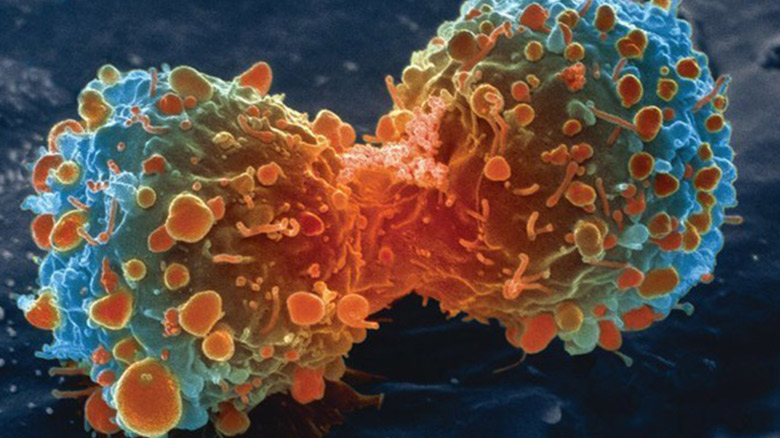
By reducing excessive cell proliferation, controlled fasting is beneficial in managing certain cancers and proliferative autoimmune conditions such as Psoriasis, Rheumatoid Arthritis, and Systemic Lupus Erythematosus (SLE)-a chronic autoimmune disease in which the immune system mistakenly attacks healthy tissues and organs.
Fasting also lowers Insulin-like Growth Factor-1 (IGF-1), a major contributor to insulin resistance and cellular inflammation. As a result, controlled fasting helps improve insulin sensitivity and glycemic control in individuals with diabetes and Polycystic Ovary Syndrome (PCOS) / Polyendocrine Metabolic Ovarian Syndrome (PMOS).
Additionally, controlled fasting can help eases asthma and allergies by reducing airway inflammation and improving ciliary function. It also reduces lipid peroxidation, making it useful in managing high cholesterol.
Traditional Ayurvedic Fasting Methods
Ayurveda describes several structured approaches, ranging from mild to intensive:
- Langhana (lightening therapy) covers practices meant to reduce bulk and heaviness, from skipping one meal to a full day of warm water or herbal teas.
- Nirahara Upavasa (complete fasting) is a full fast from solid food, typically short in duration and generally recommended under supervision.
- Saahara Upavasa (partial fasting) involves light, digestible foods such as kitchari, herbal soups, or fruit rather than complete abstinence.
- Ekadashi fasting, observed on specific lunar days, is believed to align digestive rest with natural biological rhythms – an idea with interesting parallels to circadian-rhythm research on time-restricted eating.
- Juice and monofood fasting (eating only one specific food for a period) uses short periods of fresh vegetable or fruit juice, or a single easily digestible food, to gently cleanse without shocking the system.
Classical texts repeatedly caution against fasting to the point of exhaustion or dizziness – a caution modern practitioners echo, especially for people with diabetes, low blood pressure, pregnancy, or a history of eating disorders.
Types of fasting in Ayurveda: matching method to body constitution
Ayurveda discourage one-size-fits-all fasting. Instead, it tailors the approach to an individual’s dosha (Vata, Pitta, Kapha), strength, season, and digestive capacity.
- Kapha-dominant or heavy digestion: Shorter, more frequent lightening (e.g., early dinner, 12-14-hour overnight gap) or a mono-meal day of warm, spiced vegetables and herbal teas can be very supportive.
- Pitta-dominant or sensitive acidity: Avoid pushing past genuine hunger; favour cooling, hydrating fasts with coconut water, amla-based drinks, and mild spices like coriander and fennel.
- Vata-dominant, thin build, or weak digestion: Prolonged dry fasting is discouraged. Prefer warm liquids, light soups, ghee-infused soups, and fruit-based fasts to prevent aggravation.
In religious contexts, Ayurveda aligns well with practices like Ekadashi (twice-monthly fasts dedicated to Lord Vishnu), where grains and cereals are avoided and individuals may choose water-only, fruit-only, or one light meal based on their strength. The underlying principle is the same: respect individual capacity while honouring the rhythm of the fast.
The Science Behind the Tradition
Several of Ayurveda’s core claims align with what modern research has found about fasting generally: improved insulin sensitivity from reduced insulin-spike frequency; autophagy activation, the cellular clean-up process linked to reduced inflammation and slower cellular aging; gut microbiome rest, allowing the gut lining time to repair; reduced systemic inflammation, an area of overlap with Ayurveda’s Ama theory; and mental clarity, long associated in Ayurveda with lighter Kapha and reduced Ama.
It’s worth being honest here: much of the strongest fasting research comes from animal studies or short-term human trials, and long-term outcomes across diverse populations are still being studied. Ayurveda’s texts are based on centuries of clinical observation rather than randomized trials. Both point in a similar direction, but neither is the final word – which is exactly why supervised, individualized fasting matters more than following a generic online plan.
Ayurvedic Herbs That Support a Healthy Fast
One of Ayurveda’s most distinctive contributions is its use of specific herbs to support the body during and after a fast.
- Triphala, a blend of Amalaki, Bibhitaki, and Haritaki, is traditionally taken in the evening to gently support elimination, often used after fasting to help clear residual Ama.
- Ginger (Ardraka/Shunthi) is considered a natural Agni-kindler; a small piece with rock salt before a meal, or ginger tea during a fast, keeps digestive fire active without overwhelming it.
- Cumin, Coriander, and Fennel (CCF tea) are a gentle digestive tea often used during fasting, particularly helpful for Pitta types needing cooling support.
- Ajwain (carom seeds) relieves bloating and gas, useful when reintroducing food after a fast.
- Trikatu, a warming blend of black pepper, long pepper, and ginger, cautiously stimulates a sluggish Agni, particularly for Kapha-dominant individuals.
- Licorice (Yashtimadhu) soothes the digestive lining for Vata and Pitta types, especially when reintroducing food.
- Aloe vera (Kumari) and Amalaki are valued for their cooling, restorative qualities in post-fast rejuvenation routines, particularly for Pitta constitutions.
A senior Ayurvedic physician would stress these herbs complement fasting rather than replace medical guidance, and that self-prescribing strong formulas like Trikatu without understanding one’s own constitution can do more harm than good.
Panchakarma and the Deeper Reset
For a more comprehensive rejuvenation, Ayurveda often pairs short fasting periods with Panchakarma, a supervised five-step detoxification protocol including therapies such as Virechana (therapeutic purgation) and Basti (medicated enemas). Fasting is frequently used as a preparatory phase before these therapies, opening the body’s channels before deeper elimination is applied. This is not a practice to attempt independently; it is traditionally performed under a trained Ayurvedic practitioner’s close supervision.
How to Approach Fasting Safely
- Understand your constitution before choosing a fasting style, ideally with guidance from a qualified practitioner.
- Start gently – a single skipped meal or a day of light, warm food rather than extended water fasting.
- Stay warm and hydrated, favouring warm water, herbal teas, and soups over cold or raw foods.
- Break the fast carefully, with light, warm, well-cooked food such as kitchari rather than heavy or cold meals.
- Listen to the body, and stop if there is dizziness, excessive weakness, or nausea.
Avoid fasting altogether during pregnancy, breastfeeding, active illness, low body weight, or a history of disordered eating, and consult a physician first if managing diabetes, low blood pressure, or any chronic condition – a caution mirrored by most religious traditions’ exemptions for the vulnerable.

A practical Ayurvedic fasting protocol (general guidance)
While individual plans should be personalized by a qualified practitioner, a safe, globally applicable template might look like this:
- Preparation (1-2 days): Reduce heavy, fried, and ultra-processed foods. Favor warm, cooked meals with digestive spices (ginger, cumin, coriander, fennel).
- Fasting day options:
- Light liquid fast: Warm water, CCF tea, ginger-infused water, coconut water, and thin vegetable soups.
- Fruit-and-herb day: Seasonal fruits (especially amla or pomegranate), soaked raisins, and Triphala in the evening if bowel regularity is a goal.
- Mono-meal day: A single, early-afternoon meal of moong dal khichdi with ghee and mild spices, avoiding grains on Ekadashi if following that vow.
- Breaking the fast: Start with warm water or thin soup, then a small portion of easily digestible food. Avoid large meals, cold drinks, and heavy sweets immediately after.
- Rebuilding (2-3 days): Reintroduce spices at each meal, maintain regular meal times, and consider a nightly Triphala routine if appropriate.
Throughout, hydration, sleep, and gentle movement (walking, pranayama) amplify benefits. Those with medical conditions, pregnancy, or on medications should consult a clinician before fasting
A Balanced Closing Thought
Fasting, whether approached through modern metabolic science, centuries of religious devotion, or the older wisdom of Ayurveda, is not about deprivation for its own sake. Done thoughtfully, it gives the body’s own intelligence room to work – resting digestion, supporting cellular repair, and, in Ayurveda’s language, allowing Agni to burn brighter and Ama to clear. Done carelessly, it can just as easily backfire.
The most honest conclusion, drawing on all three traditions, is this: fasting can be a genuinely valuable practice for many people, but it is not universally right, and it is not one-size-fits-all. Anyone considering an extended fast – religious, Ayurvedic, or otherwise – is best served by consulting a physician and, where possible, a qualified Ayurvedic practitioner beforehand, particularly with any underlying health condition.
Frequently Asked Questions on on fasting
They overlap but aren’t identical. Intermittent fasting is primarily a time-based eating pattern, while Ayurvedic fasting (Upavasa) is chosen based on dosha, digestive strength, and season, often paired with specific herbs and warm, light foods.
Most practitioners recommend starting with a single lighter meal or a half-day fast rather than a full 24-hour or multi-day fast, increasing duration gradually only if the body responds well.
Across Hinduism, Islam, Christianity, Judaism, Buddhism, and Jainism, fasting is generally practiced as an act of discipline, gratitude, purification, or devotion, and most traditions also build in exemptions for the sick, elderly, pregnant, or very young.
No. Ayurveda specifically advises against prolonged fasting for Vata-dominant individuals, pregnant or breastfeeding women, people with very low body weight, and those with certain chronic illnesses. Medical supervision is essential for diabetes, cardiovascular disease, or a history of eating disorders.
Light, warm, easily digestible food such as kitchari, moong dal soup, or steamed vegetables, rather than heavy, cold, fried, or raw foods, to avoid shocking a rested digestive system.
Warming, digestive-supportive herbs such as ginger, cumin-coriander-fennel tea, and small amounts of Trikatu are common, while Triphala is often reserved for the evening or post-fast period.
It can support healthy weight management as a secondary effect of improved digestion and reduced Ama, but Ayurveda frames fasting primarily as digestive and metabolic rejuvenation rather than a weight-loss method itself.
Final Thoughts
Fasting, when rooted in Ayurvedic wisdom and respectful of individual constitution, becomes a bridge between body and spirit-clearing the old, kindling the inner fire, and making space for true rejuvenation.
Acknowledgement:
I Dr. Nitin Kochar, i’m indeed grateful to my Guru, Dr. Devchand Gala (MBBS) who taught and trained me in Fasting Therapy.
Medical Disclaimer:
This article is for general educational purposes and reflects traditional Ayurvedic principles, general religious practice, and general scientific understanding of fasting. It is not a substitute for personalized medical, religious, or Ayurvedic consultation. Anyone with an existing health condition, or who is pregnant, breastfeeding, underweight, or managing a chronic illness, should consult a qualified healthcare provider before beginning any fasting practice.
Share this post: