During my Ayurveda college days, I wondered why massage-often seen as merely relaxing or pleasurable-is prescribed by ancient Rishi-physicians as an essential daily practice (dincharya) for health and longevity. Yes, massage feels good, but how does it promote long life?
Modern research has clarified the physiological effects. Studies show massage lowers stress hormones (cortisol, adrenaline, noradrenaline, epinephrine) and raises relaxing neurotransmitters (dopamine, serotonin). It shifts the autonomic balance toward parasympathetic dominance, reducing sympathetic “fight‑or‑flight” activity so the body, mind, heart, lungs, brain, and cells enter a restorative state.
When massage is followed by controlled steam or heat, it supports catabolism and helps clear lactic acid and metabolic waste from muscles and tissues via the liver, kidneys, and gastrointestinal tract. This reduces oxidative stress, improves mitochondrial function and autophagy, and enhances cellular repair. Clinically this translates into better appetite and sleep, stronger muscles and bones, reduced insulin resistance, and improved carbohydrate and fat metabolism. Overall nourishment and relaxation also support cognitive function and mood.
These cumulative effects contribute to healthier aging and increased longevity. Gentle massage during pregnancy can help prevent threatened abortion and premature delivery. Many chronic conditions-such as low back pain and arthritis-also benefit from regular massage therapy.
Before Panchakarma, massage with heat is important because it mobilizes metabolic wastes toward the liver and GI tract, making therapies like Vamana (therapeutic emesis), Virechana (purging), Basti (medicated enemas), or Nasya (nasal administration) more effective. Increased parasympathetic tone relaxes GI sphincters and facilitates these elimination processes, so proper massage and heat are recommended before detoxification procedures.
Today as a seasoned practitioner who has spent decades observing the profound wisdom of Ayurveda, while modern medicine often focuses on isolating symptoms and targeting them with specific remedies, Ayurveda looks at the whole person, seeking in the complex balancing of the doshas – Vata, Pitta, and Kapha – and aligning ourselves with the rhythms of nature.
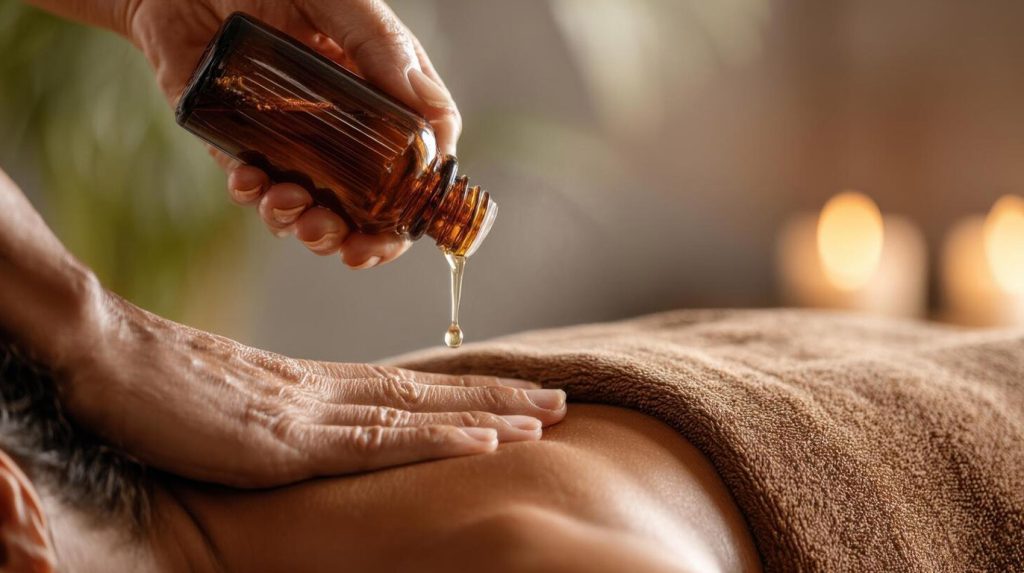
Today, I want to delve into a practice that, while seemingly simple, holds immense power for achieving stress-free healthy longevity: Abhyanga, or regular self-massage with warm medicated oils. It’s more than just a luxurious treat; it’s a cornerstone of daily Ayurvedic living, a profound act of self-care that nourishes not just the skin, but the mind, body, and the spirit.
The Ancient Roots of Abhyanga: A Daily Ritual for Longevity
In the vast ocean of Ayurvedic knowledge, the Dincharya (daily routine) is given paramount importance. It’s understood that consistency in healthy habits builds a robust foundation for well-being. And within Dincharya, Abhyanga stands out as a critical practice. The Caraka Samhita, one of the foundational texts of Ayurveda, admires the virtues of regular oil massage, stating that it “bestows softness, strength, and good complexion to the body, revitalizes the sense organs, prolongs life, and promotes sound sleep.”
Think of your skin not just as a covering, but as a vast, living organ, intricately connected to your internal systems. It’s the largest organ, permeable and highly responsive. When we apply warm, herbalized oil to it, we’re not just lubricating; we’re initiating a cascade of therapeutic effects. The oils, carefully chosen for their properties and infused with herbs, penetrate the superficial tissues and begin their work, carrying their healing qualities deeper into the dhatus (tissues) and influencing the doshas.
The Ayurvedic Perspective Abhyanga on Aging and Stress
To understand why massage leads to longevity (Dirgha Ayu), we must understand why the body degenerates.
According to our ancient Indian classical texts, the universe and the human body are governed by three primary bio-energies. Among them, Vata Dosha-characterized by the elements of Air and Space-is the master mover. It controls the nervous system, elimination, circulation, and the movement of thoughts. [Discover your unique Ayurvedic body type Doshas, Ayurveda and Genetics (Ayurgenomics)]
By its very nature, Vata is dry, cold, light, rough, and mobile. Aging is essentially a process of progressive Vata dominance. As we cross the mid-point of life, our tissues naturally become drier, our joints lose their lubrication, our sleep becomes lighter, and our minds become more prone to anxiety and restlessness. This is exactly what the modern world experiences as chronic stress and age-related degeneration.
When you experience stress, your body dries up. The mind becomes hyperactive, the skin loses its luster, and digestion becomes erratic. If left unchecked, this accelerated dryness (Rukshata) erodes our Ojas-the primal sap of life, the essence of our immunity and vitality.
Abhyanga is the direct antidote to this process. Oil (Sneha) possesses qualities that are exactly opposite to Vata: it is oily, warm, heavy, stable, and smooth. In Sanskrit, the word Sneha means both “oil” and “love.” When you massage the body with warm oil, you are literally bathing your tissues in love and stability, grounding the irregular movements of Vata, and preserving the precious reserves of Ojas.
The Benefits of Regular Abhyanga for Longevity
The Charaka Samhita, one of our foundational texts, states beautifully:
“The body of one who uses oil massage regularly does not become affected much even if subjected to accidental injuries, or strenuous work. By using oil massage daily, a person is endowed with pleasant touch, trimmed body parts, and becomes strong, charming, and least affected by old age.”
When practiced regularly, Abhyanga yields compounding benefits that directly contribute to a healthy, stress-free life span:
- Nourishment of the Dhatus (Tissues): The skin is the seat of Vata. The warm oil applied to the skin penetrates deeply through the pores. In Ayurveda, we recognize seven layers of skin and seven layers of tissues (Dhatus). It takes time and regular application for the herbal strength of the oil to reach the deeper tissues like bone (Asti) and nerve tissue (Majja), strengthening the skeletal frame and calming the nervous system.
- Enhancement of Agni and Elimination: The gentle pressure and strokes of a massage help stimulate the internal organs and improve circulation. When blood and lymph flow smoothly, the metabolic fire (Agni) functions optimally, and metabolic wastes (Ama) are directed toward the channels of elimination. A body free of Ama is a body free of disease.
- Deep, Restorative Sleep (Nidra): Sleep is one of the three pillars of life (Upastambhas). High Vata causes insomnia and fragmented dreams. Massaging the head (Shiroabhyanga) and the soles of the feet (Padabhyanga) before bed pulls the excess energy down from a hyperactive brain, inducing deep, repairing sleep that reverses daily cellular wear and tear.
- Graceful Aging and Longevity: By keeping the skin supple, the joints lubricated, and the mind calm, regular massage prevents the premature ” weakening ” of the human form. It maintains flexibility not just in the muscles, but within the mental abilities as well.
Beyond Relaxation: The Multi-faceted Benefits of Regular Abhyanga
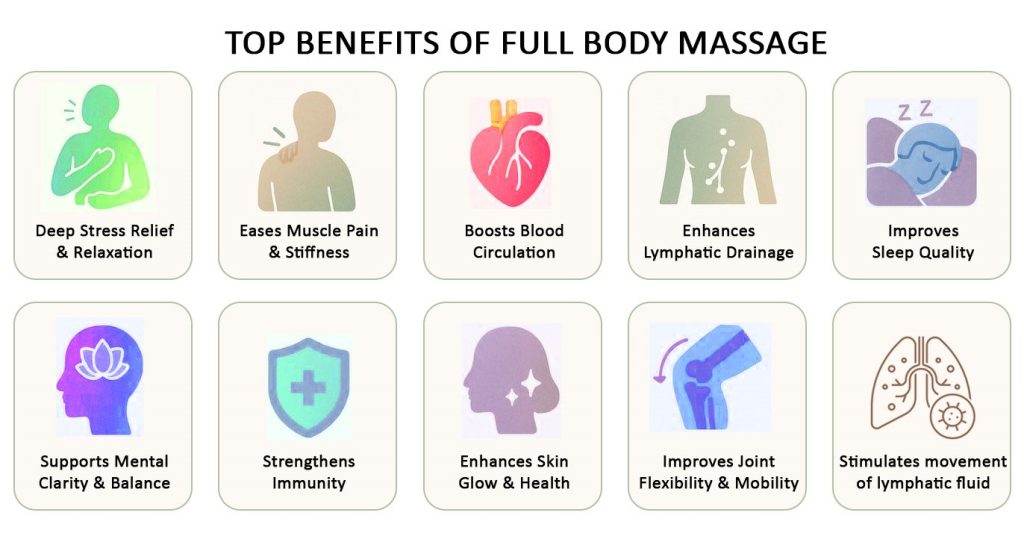
While the immediate sensation of relaxation during and after an Abhyanga is undeniable, its benefits stretch far beyond a temporary calm. Let’s explore some of the profound ways this practice contributes to stress-free, healthy longevity:
- Pacifying Vata Dosha: The Root of Modern Ills
In our fast-paced, stimulating modern world, Vata dosha, associated with air and ether, tends to be easily aggravated. This aggravation manifests as anxiety, nervousness, insomnia, dry skin, constipation, and a general feeling of being ungrounded. Vata is inherently cold, light, dry, and mobile. Abhyanga, with its warm, heavy, oily, and stable qualities, acts as a direct antidote. The warmth of the oil, the nourishing fatty acids, and the calming touch directly pacify Vata, bringing a sense of stability, groundedness, and inner peace. This alone is a huge step towards stress reduction.
- Enhancing Circulation and Lymphatic Flow: The Body’s Internal Cleansing System
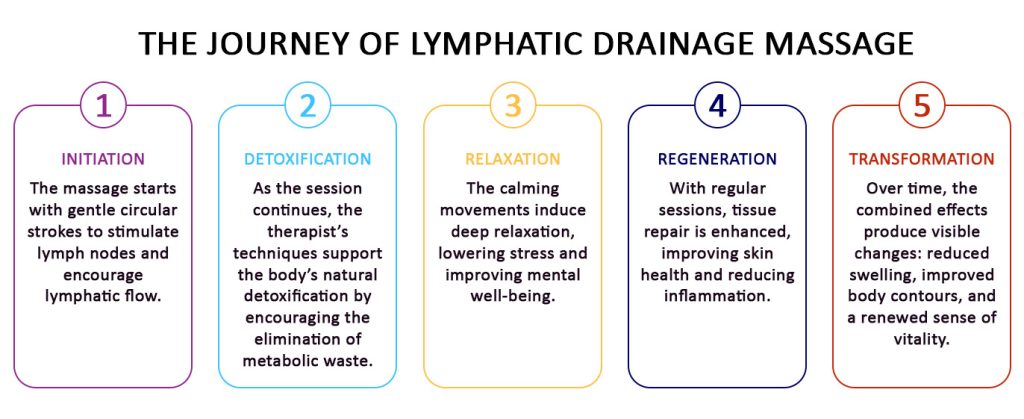
The rhythmic strokes of Abhyanga stimulate both blood circulation and, crucially, lymphatic drainage massage (is a specialized, gentle form of therapy designed to stimulate the natural flow of lymph fluid, reduce swelling, and support the immune system). The lymphatic system is our body’s unsung hero, responsible for transporting waste products, toxins, and immune cells. Unlike the circulatory system, it doesn’t have a pump; it relies on muscle movement and external stimulation. Regular massage literally helps “move” lymph, preventing stagnation and aiding in the efficient removal of ama (toxins) from the body. This improved cellular nutrition and waste removal contribute significantly to vitality and disease prevention.
- Strengthening the Skin Barrier and Promoting Youthfulness (Vayasthapana)
The skin, exposed to environmental aggressors, often becomes dry, dull, and prone to wrinkles. Abhyanga provides deep nourishment, making the skin elastic, soft, and radiant. The oils help to lock in moisture, improve elasticity, and protect against free radical damage. From an Ayurvedic perspective, this is not just about superficial beauty; it reflects internal health. A well-nourished skin indicates well-nourished underlying tissues, contributing to the Ayurvedic concept of Vayasthapana, which means maintaining youthfulness and vitality.
- Calming the Nervous System and Promoting Sound Sleep (Nidrajanana)
The gentle, rhythmic touch and the warmth of the oil have a profound calming effect on the nervous system. It stimulates the vagus nerve [the longest and most complex nerve in the autonomic nervous system carrying signals between your brain, heart and digestive system.], promoting the “rest and digest” response (parasympathetic nervous system) over the “fight or flight” (sympathetic nervous system). This deeply relaxing effect is incredibly beneficial for stress reduction. Furthermore, by calming the mind and body, Abhyanga is a powerful aid for combating insomnia and promoting deep, restorative sleep. As we all know, quality sleep is non-negotiable for longevity and mental well-being.
- Strengthening Muscles, Joints, and Bones (Dhatu Poshana)
The oils used in Abhyanga penetrate deep into the musculature, nourishing and strengthening them. Regular massage helps improve flexibility, reduce stiffness, and alleviate muscle soreness. For joints, it provides lubrication and reduces friction, protecting them from wear and tear. Even bones, though seemingly dense, benefit from the subtle nourishment and improved circulation that Abhyanga provides, contributing to their long-term health and strength.
- Enhancing Vision and Hair Health (Akshitarpana and Kesha Poshana)
While specific eye treatments exist in Ayurveda, gentle massage around the eyes can help relax tired eye muscles. More directly, regular Abhyanga to the scalp (Shiro-Abhyanga) is highly recommended. It nourishes the hair follicles, prevents hair loss, premature graying, and promotes healthy, lustrous hair growth. It also calms the mind and can alleviate headaches.
Conditions in Which Massage is Allowed: Indications for Therapeutic Abhyanga
While Abhyanga is largely a beneficial daily practice, its therapeutic application shines in specific conditions. As an Ayurvedic physician, I carefully assess the individual’s constitution (Prakriti), imbalances (Vikriti), and the nature of their ailment before recommending specific oils and massage techniques. However, broadly speaking, therapeutic massage is highly indicated in:
- Chronic Vata Disorders: Conditions like osteoarthritis, fibromyalgia, certain types of neurological disorders (under expert guidance), chronic constipation, insomnia, anxiety disorders, and general debility. The warming, grounding, and nourishing qualities of Abhyanga are profoundly therapeutic for these Vata-imbalanced states.
- Musculoskeletal Pain and Stiffness: From general body aches and muscle tension to specific issues like sciatica (non-acute stage), frozen shoulder, and stiffness due to occupational hazards or aging.
- Stress-Related Conditions: Generalized anxiety, mild depression, nervous exhaustion, fatigue, and difficulty concentrating due to chronic stress.
- Poor Circulation: Cold extremities, numbness, and tingling sensations due to sluggish circulation.
- Skin Conditions (Dryness-Related): Dry, flaky skin, eczema (non-oozing, dry stage), and dull complexion.
- Post-Natal Care: To help new mothers regain strength, soothe tired muscles, and aid in recovery, particularly after the Vata-aggravating process of childbirth.
- Geriatric Care: To maintain flexibility, improve circulation, alleviate dryness, and enhance overall vitality in the elderly.
- Preparation for Panchakarma: Abhyanga is a crucial Purva Karma(preparatory procedure) for Panchakarma, helping to loosen and mobilize toxins from the deeper tissues towards the gastrointestinal tract for elimination.
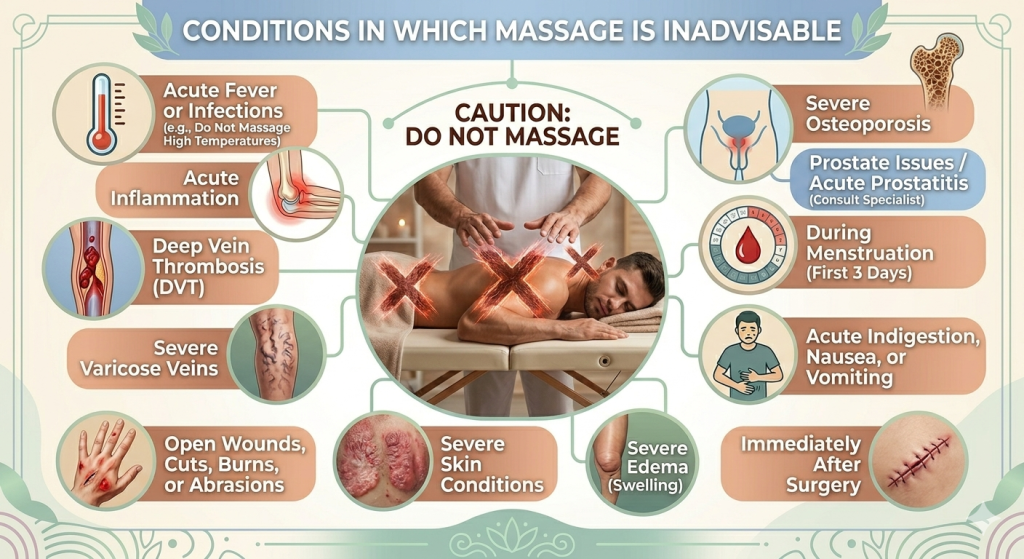
Conditions in Which Massage is Inadvisable: When to Exercise Caution or Avoid
Just as a powerful medicine, when misused, can cause harm, so too can massage, despite its inherent goodness, be harmful if applied inappropriately. Ayurveda clearly specifies who should receive massage and who should avoid it. Massage is contraindicated in acute inflammation, recent injuries, and the acute stage of Aam when inflammation and fever are present. Avoid applying massage or heat to the chest and genital areas, and do not give massages to pregnant women or to people at extreme ages (very young or very old).
As an Ayurveda practitioner, this is where careful consideration is paramount. Here are conditions in which Abhyanga is generally not advisable or requires extreme caution and modification:
- Acute Fever or Infections: Any active fever, acute cold, flu, or infection. Massage can spread the infection, increase inflammation, and exacerbate the condition.
- Acute Inflammation: Red, hot, swollen, painful areas. This includes acute rheumatoid arthritis flare-ups, cellulitis, or any area with signs of acute inflammation. Massage can worsen inflammation and pain.
- Deep Vein Thrombosis (DVT) or Severe Varicose Veins: Massage can dislodge a blood clot in DVT, leading to a life-threatening pulmonary embolism. For severe varicose veins, it can further damage the fragile veins.
- Open Wounds, Cuts, Burns, or Abrasions: Applying oil and pressure to open skin can introduce infection and delay healing.
- Severe Skin Conditions (Contagious or Inflamed): Contagious skin diseases like ringworm, impetigo, or highly inflamed conditions like severe psoriasis flares or blistering skin diseases.
- Severe Edema (Swelling): Especially pitting edema due to underlying heart, kidney, or liver disease. Massage might put undue strain on these organs or simply be ineffective.
- Immediately After Surgery: The body needs time to heal. Massage should only be performed much later and with the approval of a surgeon.
- Acute Indigestion, Nausea, or Vomiting: When the digestive fire (Agni) is weak or there’s an active digestive upset, the body is already busy trying to resolve internal issues. Massage can divert energy and worsen symptoms.
- During Menstruation (Heavy Flow): While gentle abdominal massage might be relaxing for some, for those with heavy flow or abdominal cramping, vigorous massage can sometimes increase bleeding. Generally, a lighter touch or avoiding the abdomen is recommended.
- Pregnancy (First Trimester and Specific Areas): While prenatal massage is beneficial, it requires a practitioner trained in pregnancy massage. Certain points are unsuitable, especially in the first trimester, and abdominal massage is generally avoided.
- Severe Osteoporosis: Due to the fragility of bones, vigorous massage could lead to fractures. Gentle, light touch might be permissible, but only with extreme caution.
- Any Condition Requiring Immediate Medical Attention: If there’s unexplained severe pain, lumps, or other serious symptoms, medical diagnosis should precede any massage.
The Choice of Oil: The Physician’s Prescription
To achieve longevity and stress relief, one cannot simply use any industrial oil. The oil must be chosen according to your constitution (Prakriti) and the season:
- Massage for Vata:
Vata constitutions person should use a heavy grounding oil, such as Sesame or Almond. For Specific healing essential oils for Vata doshas include Jasmine, Lavender, Sandalwood, Cinnamon, and Chamomile (‘बबूने का फूल’).
- Massage for Pitta:
Pitta constitutions person should use a cooling oil to balance their hot, inflammatory nature. essential oils for Pitta dosha include Sunflower, Coconut, or Olive.
- Massage for Kapha:
Kapha constitutions person do good with heating and drying oils such as Safflower (कुसुम) and Mustard oil; Sunflower oil is appropriate due to its light quality, despite being cold. Essential Oils which are healing for Kapha include Cinnamon, Patchouli, Basil, Eucalyptus, and Sage.
- Massage for Seasons:
- In the Summer time, emphasize cooler oils and Essential Oils.
- In the rainy / monsoon season, Ayurveda recommends using warm, light, medicated oils like Sesame oil (Murchita Tila Taila) or traditional blends like Dhanwantaram Tailam.
- In the Winter time, massage with light, warm oils, fast movement of strokes working from the feet up to the head.
| Oil Type | Ideal For | Properties |
| Sesame Oil (Tila Taila) | Vata Pacification, Winter Season | Warming, deeply penetrating, strengthens bones and joints. The king of oils. |
| Coconut Oil (Nariyal Taila) | Pitta Pacification, Summer Season | Cooling, soothing to irritated skin, anti-inflammatory. |
| Mustard Oil (Sarshapa Taila) | Kapha Pacification, Spring Season | Hot, piercing, stimulates circulation, reduces stiffness and water retention. |
| Mahanarayana Taila | Chronic Joint/Nerve Pain | A classical blend of dozens of herbs like Ashwagandha and Shatavari for deep rejuvenation. |
The Allopathic Lens: A Brief Consideration
While my primary framework is Ayurvedic, I am not entirely unaware to the world of allopathic medicine. I recognize its strengths in acute care, diagnosis through advanced imaging, and surgical interventions. From an allopathic perspective, the benefits of massage are often attributed to:
- Increased Blood Flow: Delivering oxygen and nutrients, removing waste products.
- Relaxation Response: Reduction in cortisol (stress hormone) levels, increase in oxytocin and serotonin (feel-good hormones).
- Stimulation of Mechanoreceptors: Modulating pain signals.
- Mechanical Stretching of Tissues: Improving flexibility and reducing scar tissue.
These scientific explanations, while articulated differently, resonate profoundly with the 3000 years of Ayurvedic understanding of how Abhyanga balances Vata, enhances circulation, calms the nervous system, and nourishes the dhatus. The scientific research emerging today often validates principles that Ayurveda has held for centuries.
Bringing Abhyanga into Your Life: A Path to Longevity
To conclude, Abhyanga is not merely a superficial application of oil; it is a profound act of self-love and self-healing. It’s a daily dialogue with your body, a conscious effort to nourish, protect, and soothe yourself. In a world increasingly bothered by stress, anxiety, and chronic ailments, returning to such foundational practices is not a step backward, but a wise leap forward.
Embrace the warmth of the oil, the rhythm of your hands, and the quiet moments of connection with your own being. In this simple, consistent ritual lies a powerful key to unlocking stress-free healthy longevity, allowing you to live with greater vitality, clarity, and peace. It’s not just about adding years to your life, but life to your years.
- Massage therapy research review 2016 Complement Therapy clinical practice [https://pubmed.ncbi.nlm.nih.gov/27502797/]
- The effects of heat and massage Yonsei Medical Journal 2011 (https://pubmed.ncbi.nlm.nih.gov/22028164/)
- Moderate pressure massage elicits parasympathetic nervous system International Journal of neuroscience 2009 [https://pubmed.ncbi.nlm.nih.gov/19283590/]
Share this post: