Introduction: Understanding Trigeminal Neuralgia
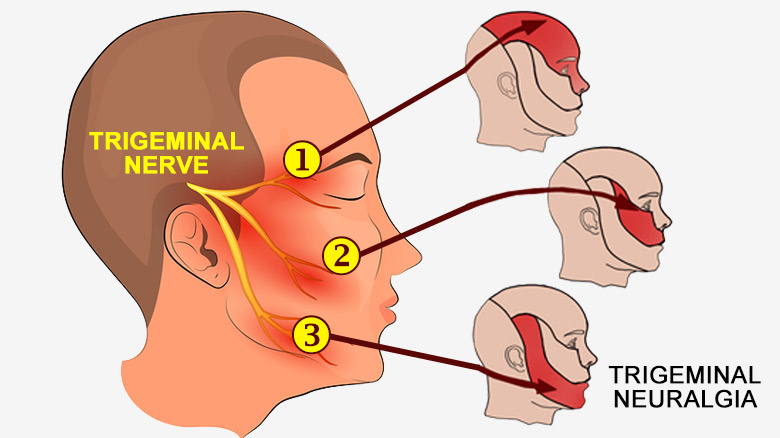
Imagine a sudden, excruciating jolt of pain, like an electric shock, shooting through your face. This is the reality for individuals suffering from Trigeminal Neuralgia (TN), often dubbed one of the most agonizing pain conditions known to humanity. Affecting the trigeminal nerve – a crucial nerve responsible for sensations in the face and motor functions like chewing – TN can turn simple everyday activities like talking, eating, or even a gentle breeze into triggers for unbearable pain.
While conventional medicine offers solutions, many are turning to ancient healing systems like Ayurveda for a holistic approach to managing this debilitating condition. In Mumbai, and across India, the quest for natural and sustainable relief for facial nerve pain is growing, and Ayurveda offers a profound perspective.
What is Trigeminal Neuralgia: An Ayurvedic Perspective – “Anantavata”
In Ayurveda, Trigeminal Neuralgia is often correlated with a condition known as “Anantavata” or sometimes linked to Vataja Shirah Shool (headache primarily due to Vata). Ayurveda, the science of life, views health as a delicate balance of three fundamental energies or “Doshas”: Vata, Pitta, and Kapha.
Vata Dosha, composed of air and ether elements, governs all movement, nerve impulses, and communication within the body. When Vata becomes imbalanced, due to factors like stress, irregular lifestyle, improper diet, or environmental influences, its dry, cold, light, and erratic qualities can aggravate the nervous system. This aggravation, particularly affecting the trigeminal nerve, leads to the intense, sudden, and shooting pains characteristic of TN.
Symptoms of Trigeminal Neuralgia (as per modern and Ayurvedic perception):
Recognizing the symptoms of Trigeminal Neuralgia is the first step towards seeking effective treatment.
- Electric Shock-like Pain: The hallmark symptom, often described as a sudden, severe, shooting, or jabbing pain.
- Pain in the jaw, cheek, or forehead—areas supplied by the trigeminal nerve
- Twitching or locking of the jaw
- Pain in the neck or nape(in cases of Anantavata)
- Increased sensitivity to light, sound, or temperature changes
- Recurrent episodes of painthat come and go suddenly
- Emotional distress, anxiety, and depressiondue to chronic pain5
- Triggered by Simple Actions: Pain can be initiated by light touch, chewing, talking, smiling, brushing teeth, washing the face, shaving, or even a cool breeze.
- Unilateral Pain: Typically affects only one side of the face, though rarely it can occur on both sides (not simultaneously).
- Episodes of Varying Duration: Pain attacks can last from a few seconds to several minutes, sometimes occurring in clusters for days, weeks, or months.
- Location: Pain is usually felt in the jaw, cheek, teeth, gums, or lips. Less commonly, it can extend to the forehead or eye.
- Facial Spasms: Accompanying involuntary muscle contractions in the face.
- Remission Periods: Some individuals experience periods where the pain subsides completely, only to return later.
Benefits of Ayurvedic Treatment for Trigeminal Neuralgia
- Addresses Root Cause: Focuses on pacifying aggravated Vata, which is considered the primary culprit in nerve-related disorders.
- Reduced Recurrence: By restoring systemic balance, Ayurveda aims for long-term relief and potentially reduces the frequency and intensity of future attacks.
- Minimal Side Effects: Utilizes natural herbal remedies and therapies, often with fewer adverse effects compared to some conventional treatments.
- Improved Quality of Life: Beyond pain relief, Ayurvedic treatments often enhance overall well-being, reduce stress, and improve sleep patterns.
- Personalized Care: Treatment plans are tailored to the individual’s unique constitution (Prakriti) and the specific nature of their dosha imbalance.
- Lifestyle and Diet Guidance:Emphasizes healthy living, dietary changes, and stress management to prevent recurrence
- No Dependency or Surgery:Ayurvedic treatments aim to provide lasting relief without the need for lifelong medication or surgical intervention
Herbal Treatment and Therapies in Ayurveda for Trigeminal Neuralgia:
Ayurvedic treatment for Trigeminal Neuralgia involves a combination of internal herbal medications, external therapies (Panchakarma), dietary modifications, and lifestyle changes.Key Herbal Treatments (Herbs for Nerve Pain)
Ayurvedic practitioners often prescribe a combination of herbs, known for their Vata-pacifying, nervine tonic, anti-inflammatory, and analgesic properties. Some commonly used Ayurvedic herbs for Trigeminal Neuralgia include:
- Ashwagandha (Withania somnifera): A renowned adaptogen that helps calm the nervous system, reduce stress, and support nerve health. Known for its rejuvenating effects.
- Brahmi (Bacopa monnieri): A potent nervine tonic, it helps in strengthening nerve function and has calming effects.
- Jatamansi (Nardostachys jatamansi): Known for its neuroprotective and sedative properties, beneficial for calming aggravated Vata.
- Shallaki (Boswellia serrata): An effective anti-inflammatory herb that can help reduce nerve inflammation.
- Guggulu (Commiphora wightii): Possesses anti-inflammatory and analgesic properties, often used in formulations for pain management.
- Dashamoola: A blend of ten roots, it is a powerful Vata pacifier and helps reduce pain and inflammation.
Ayurvedic Therapies (Panchakarma and Allied Treatments)
External therapies play a significant role in soothing the aggravated Vata and nourishing the nervous system:
- Nasya: Medicated oils (like Anu Taila or Shadbindu Taila) are administered through the nasal passages. As “Nasa hi shiraso dwaram” (the nose is the gateway to the head), this therapy is highly effective in treating disorders of the head and nervous system, helping to balance Vata, Pitta, and Kapha.
- Shirodhara: A continuous stream of warm medicated oil is gently poured over the forehead, inducing deep relaxation, calming the mind, and nourishing the central nervous system.
- Abhyanga (Therapeutic Massage): Full-body or localized massage with warm medicated oils (e.g., Ksheerabala Taila, Mahanarayana Taila) to pacify Vata, improve circulation, and reduce pain.
- Basti (Medicated Enema): Considered highly effective for Vata disorders, Basti involves administering herbal oils or decoctions into the rectum to cleanse and nourish the colon, which is the primary seat of Vata.
- Panchakarma:Detoxification therapies to eliminate toxins and restore dosha balance, especially in chronic cases
- Kavala and Gandusha:Oil pulling and mouth gargling with medicated oils to improve oral and facial nerve health
- Pichu: Application of a thick cotton pad soaked in warm medicated oil over the affected area of the face for localized pain relief.
Dietary & Lifestyle Modifications (Vata Pacifying Diet)
Alongside herbal treatment, dietary and lifestyle adjustments are crucial for long-term management of Trigeminal Neuralgia in Ayurveda:
- Warm, Nourishing Foods: Favor freshly cooked, warm, oily, and grounding foods. Include healthy fats like ghee.
- Avoid Cold, Dry, Processed Foods: Minimize raw salads, cold beverages, and highly processed or dry foods that can aggravate Vata.
- Dietary Modifications:Avoid spicy, acidic, and processed foods. Include warm, nourishing meals, ghee, and antioxidant-rich fruits and vegetables
- Regular Routine: Maintain consistent meal times and sleep schedules to stabilize Vata.
- Stress Management: Practice yoga, meditation, and pranayama (breathing exercises) to reduce stress, a known trigger for TN.
- Avoid Triggers: Identify and consciously avoid specific triggers like cold drafts, certain chewing motions, or particular foods.
- Adequate Sleep:Ensure sufficient rest to support nervous system recovery
Home Remedies
- Warm sesame oil compress (Tila Taila): Gently massaged on the affected area to reduce pain and inflammation.
- Turmeric milk: Drinking turmeric mixed with warm milk daily for its anti-inflammatory benefits.
- Ayurvedic herbal oil massage: Using oils like Mahanarayan or Bala oil to soothe nerves and muscles