
Sleep is not a luxury – it’s a biological necessity. Quality sleep influences cognitive performance, emotional well-being, immune function, hormonal balance, cardiovascular health, and metabolic health. Yet insomnia has become one of the most common health concerns worldwide. According to global estimates, nearly one-third of adult’s experience symptoms of insomnia at some point in their lives, while chronic insomnia affects approximately 10-15% of adults.
After more than three decades of practicing Ayurveda, I’ve noticed the almost nobody walks into my clinic and says, “I have insomnia.” They say things like, “I’m exhausted all the time,” or “My brain just won’t switch off at night,” or “I wake up at 3 a.m. and lie there staring at the ceiling.” Sound familiar? The most suitable answer, I’ve found, rests in the intersection of lifestyle and daily-habits.
As an Ayurvedic physician, I believe the most effective approach to insomnia combines the strengths of modern medicine with the time-tested wisdom of Ayurveda. Modern medicine excels at diagnosing underlying medical conditions, while Ayurveda focuses on restoring balance within the individual through personalized lifestyle interventions.
Understanding Insomnia: What Modern Medicine Tells Us
Insomnia is characterized by one or more of the following:
- Difficulty falling asleep
- Frequent nighttime awakenings
- Waking up too early
- Poor-quality or non-restorative sleep
- Daytime fatigue or impaired concentration
Modern medicine recognizes numerous causes of insomnia, including:
- Chronic stress and anxiety
- Depression
- Chronic pain
- Hormonal changes
- Shift work
- Excessive screen exposure
- Caffeine, nicotine, or alcohol
- Sleep apnea
- Restless legs syndrome
- Certain medications
- Thyroid disorders
Allopathic view: sleep architecture and evidence-based measures
Allopathic medicine describes sleep stages (NREM and REM) and uses tools like sleep diaries, actigraphy, and polysomnography for diagnosis. Cognitive Behavioral Therapy for Insomnia (CBT-I) is the first-line evidence-based treatment for chronic insomnia, with strong, long-lasting benefits.
Cognitive Behavioural Therapy for Insomnia (CBT-I) is considered the gold-standard, first-line treatment by sleep specialists worldwide – and it overcomes sleeping pills in the long run. It works by retraining the exact restlessness Ayurveda calls an aggravated Vata: rebuilding the association between your bed and sleep, limiting time spent lying awake in bed, and untangling the anxious thoughts that show up at night.
Sleep medications – benzodiazepines, Z-drugs, and similar – genuinely have their place, especially for short bursts of acute insomnia after a loss, illness, or major life upheaval.
Sometimes it isn’t “just” insomnia. Sleep apnea, thyroid problems, low iron, depression, chronic pain, and menopause can all masquerade as garden-variety sleeplessness. A good clinician – Ayurvedic or allopathic – should be ruling these out before assuming lifestyle alone is to blame.
How Ayurveda Understands Sleep
In Ayurveda, sleep (Nidra) is considered one of the Three Pillars of Health (Trayopastambha) alongside proper nutrition and balanced energy. Healthy sleep nourishes the body, supports tissue repair, strengthens immunity, and promotes emotional stability.
Ayurveda does not treat insomnia as merely an inability to sleep. Instead, it asks a deeper question.
Why has the body’s natural rhythm become disturbed?
The answer often lies in an imbalance of the body’s constitutional energies, known as Doshas.
A. Vata Imbalance
Most cases of insomnia are associated with aggravated Vata Dosha, characterized by:
- Racing thoughts
- Anxiety
- Restlessness
- Light sleep
- Frequent awakenings
B. Pitta Imbalance
Pitta-related sleep problems often include:
- Waking between 1 AM and 3 AM
- Irritability
- Night sweats
- Overactive mind
C. Kapha Imbalance
Kapha disturbances rarely cause insomnia but may result in:
- Excessive daytime sleepiness
- Heavy, unrefreshing sleep
- Difficulty waking
[read my blog to Discover your unique Ayurvedic body type, Doshas and Genetics (Ayurgenomics)]
An Integrative Assessment Before Treatment
Both Ayurveda and modern medicine emphasize understanding the root cause rather than assessing symptoms.
A comprehensive evaluation may include:
- Sleep history
- Lifestyle assessment
- Mental health screening
- Medication review
- Assessment for sleep apnea
- Blood tests when indicated (thyroid function, iron deficiency, vitamin B12, vitamin D, blood glucose level)
- Ayurvedic assessment of Dosha imbalance, digestion (Agni), and daily routine (Dinacharya)
Before beginning any natural treatment, persistent insomnia lasting more than three months should be medically evaluated to identify reversible causes. This integrative assessment helps tailor treatment more effectively.
Ayurvedic Herbs Traditionally Used for Sleep Support
Herbal medicines should always be individualized and taken under professional guidance, especially during pregnancy or alongside prescription medications.
Ashwagandha (Withania somnifera)
One of Ayurveda’s best-known adaptogenic herbs.
Traditionally used to:
- Reduce stress
- Improve resilience
- Support sleep quality
Some clinical studies suggest Ashwagandha may improve sleep onset and overall sleep quality in stressed adults.
Brahmi (Bacopa monnieri)
Traditionally used for:
- Mental calmness
- Memory
- Concentration
- Reducing mental overactivity
It may be particularly useful when insomnia is associated with excessive thinking.
Jatamansi (Nardostachys jatamansi)
Traditionally valued for its calming properties.
Used in Ayurveda to support:
- Relaxation
- Emotional balance
- Restful sleep
Tagara (Valeriana wallichii)
Traditionally used as a calming herb in Ayurveda.
Its effects are often compared with valerian root used in Western herbal medicine.
The Role of Ayurvedic Therapies
Classical Ayurvedic therapies may be recommended after a personalized consultation.
These may include:
Abhyanga (Warm Oil Massage)
Warm herbal oil massage may help:
- Reduce stress
- Relax muscles
- Improve circulation
- Prepare the body for sleep
Shiro Abhyanga
Gentle scalp massage with medicated oils has traditionally been used to calm Vata and promote relaxation.
Shirodhara
One of Ayurveda’s best-known therapies. Warm herbal oil is gently poured over the forehead in a continuous stream. Some preliminary studies suggest it may reduce stress and improve relaxation.
[read my blog on Importance of regular massage for simple and scientific secret of healthy Longevity]
Ayurvedic Lifestyle Practices That Improve Sleep
- Establish a Consistent Sleep Schedule
The body’s circadian rhythm responds best to consistency.
Aim to:
- Sleep at the same time every night
- Wake at the same time daily
- Sleep before 10 PM whenever possible
Ayurveda believes sleeping before the Pitta period of the night helps maintain hormonal balance and supports deeper rest.
- Eat According to Digestive Capacity
Ayurveda places tremendous importance on digestion.
Helpful dietary practices include:
- Eat dinner at least 2 hours before bedtime
- Avoid overeating
- Limit spicy, fried, and processed foods at night
- Choose warm, freshly prepared meals
- Reduce late-night sugar intake
Modern research also supports avoiding heavy meals close to bedtime because they may worsen reflux and disrupt sleep.
- Create a Digital Restrain
Blue light from phones, tablets, and computers suppresses melatonin production.
Both Ayurveda and sleep medicine recommend:
- Avoid screens 60 minutes before bedtime
- Dim household lighting
- Read printed books instead of scrolling social media
- Calm the Nervous System
Ayurveda recognizes that an overstimulated nervous system contributes to disturbed sleep.
Helpful practices include:
- Meditation
- Gentle yoga
- Yoga Nidra
- Deep breathing exercises
- Mindfulness
- Gratitude reading
Clinical studies increasingly support these practices for improving sleep quality and reducing anxiety.
[read my blog on How to create an Ayurvedic routine for your lifestyle]
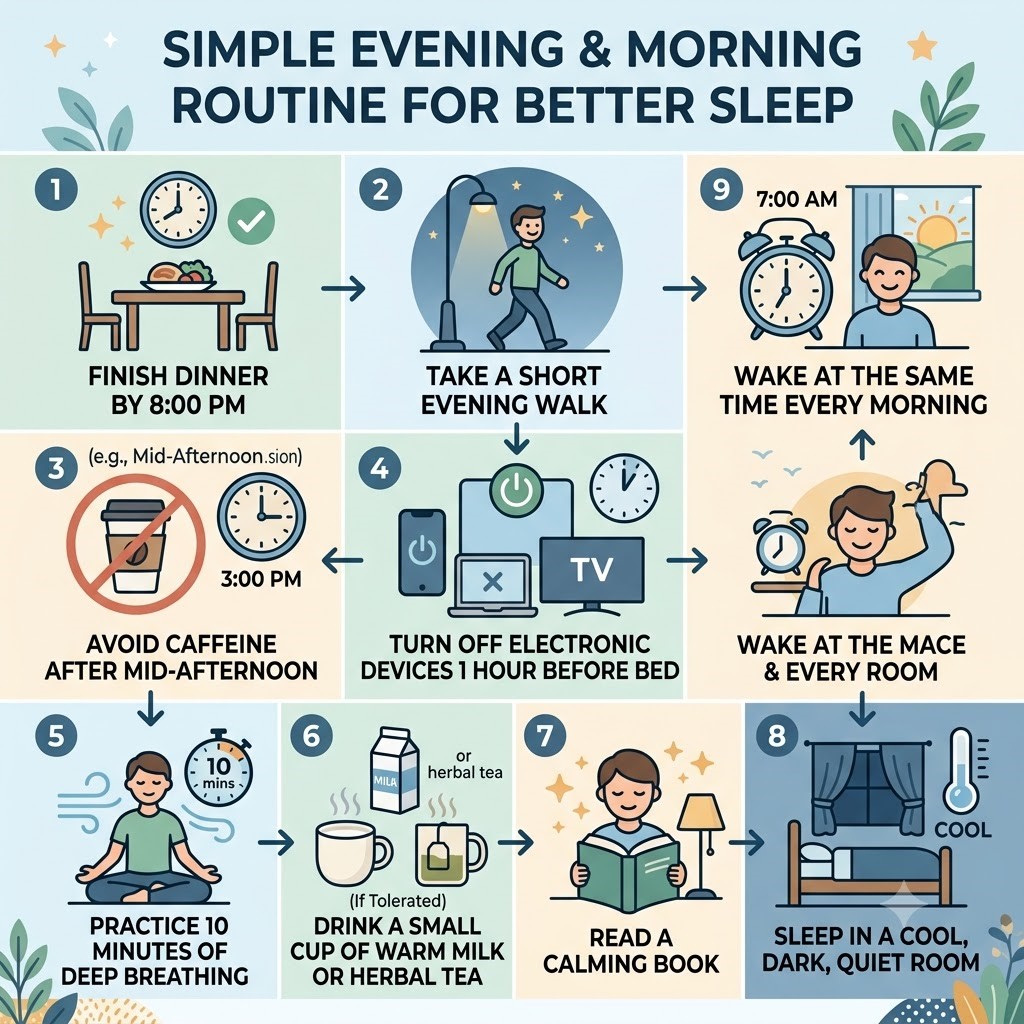
A Sample Integrative Bedtime Routine
A simple routine might include:
- Finish dinner by 8:00 PM
- Take a short evening walk
- Avoid caffeine after mid-afternoon
- Turn off electronic devices one hour before bed
- Practice 10 minutes of deep breathing
- Drink a small cup of warm milk (if tolerated) or herbal tea
- Read a calming book
- Sleep in a cool, dark, quiet room
- Wake at the same time every morning
Consistency often matters more than perfection.
When Modern Medicine Is Essential
Natural therapies are valuable, but they should not replace appropriate medical care.
Seek medical evaluation if insomnia is accompanied by:
- Loud snoring
- Pauses in breathing
- Depression
- Unhappy thoughts
- Significant weight loss
- Persistent daytime sleepiness
- Neurological symptoms
- Chronic pain
Sleep apnea, thyroid disease, depression, Parkinson’s disease, and other conditions require medical diagnosis and treatment.
Red flags: when to seek medical care
- Severe daytime impairment, confusion, or fainting.
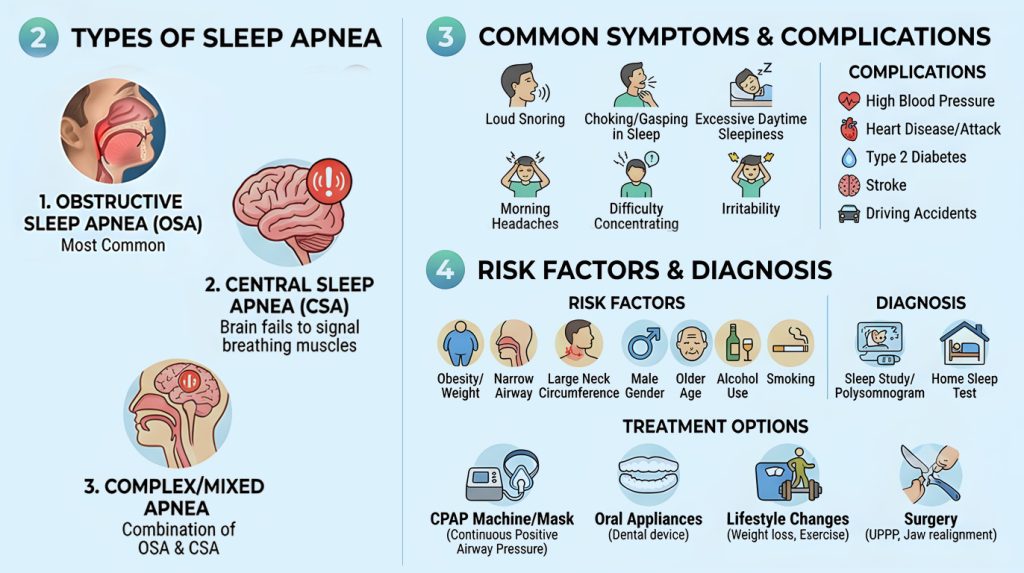
- Symptoms of sleep apnea (loud chronic snoring, pauses in breathing or gasping/choking during sleep, observed apneas, awakening with a dry mouth, a morning headache).
- New or worsening psychiatric symptoms (dangerous feelings, severe depression).
- Persistent insomnia despite 4-8 weeks of behavioural changes and safe herbal support-see a sleep specialist.
Sleep Apnea
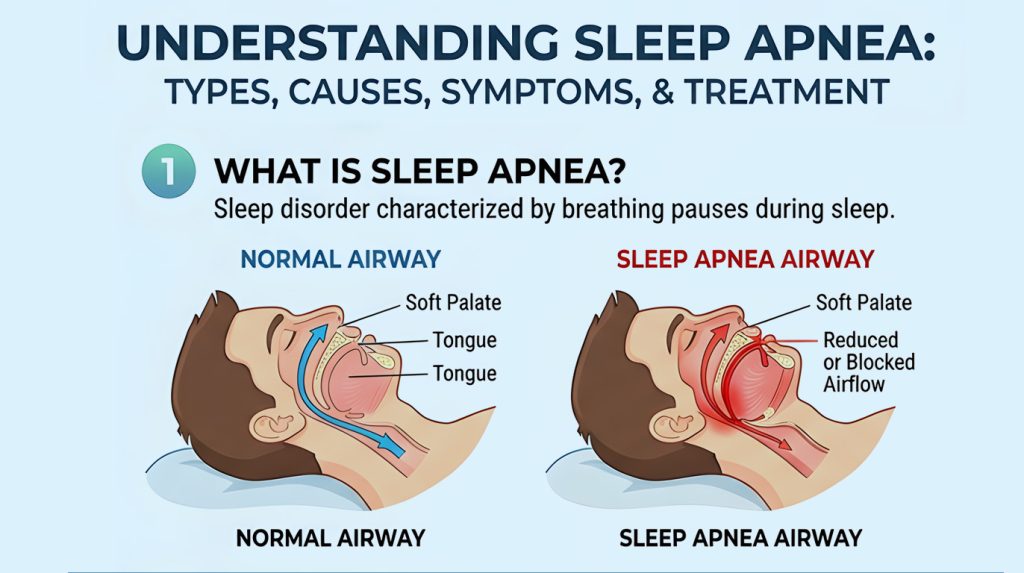
One of the most ignored causes of constant fatigue, weakness, uncontrolled blood sugar, high Blood Pressure (BP), and osteoporosis, today is poor-quality of natural sleep. Among the many causes of non-restorative sleep, Sleep Apnea is the most common, and loud snoring is its prominent symptom.
Snoring occurs due to narrowing of the airway passage from the nose to the trachea. This is often caused by chronic sinusitis or nasal polyps blocking the nasal pathways, or by weakening of the tongue muscles due to obesity or old age, which causes the tongue to fall back and obstruct the airway. To push air through this narrowed passage, the body forces air through with greater pressure, producing the snoring sound. In severe cases, a person may even wake up in the middle of the night with a choking sensation. Many such individuals prefer sleeping in a sitting position, and they represent the most vulnerable group-often experiencing excessive daytime sleepiness and extreme fatigue.
Several Ayurvedic treatments can help manage Sleep Apnea. For instance, Nasya-medicated nasal drops-can help address sinusitis, nasal polyps, and other underlying pathologies affecting the nose, sinuses, and airways. Additionally, medications to improve muscle tone, along with lifestyle changes for weight management, can help reduce the condition.
Sleep Apnea disrupts restorative, non-rapid eye movement (NREM) sleep, leading to elevated cortisol levels that are harmful to every system in the body. The resulting oxygen deprivation also impairs cellular metabolism, reducing glucose oxidation and, consequently, energy production – this is what drives the constant fatigue and weakness. Additionally, Sleep Apnea is often associated with vivid, disturbing dreams that patients can recall the next day, which further indicates a lack of healthy, restorative NREM sleep.
Can Ayurvedic Herbs Be Combined with Prescription Medicines?
Some herbs may interact with:
- Sedatives
- Blood pressure medications
- Diabetes medications
- Blood thinners
- Thyroid medicines
Always inform both your Ayurvedic practitioner and primary physician about every supplement you take. Integrated care improves safety.
Frequently Asked Questions
In Ayurveda, insomnia is usually linked to an aggravated Vata dosha, sometimes with Pitta involvement when there is heat, irritation, or early waking. It is seen as a disturbance of natural sleep balance, often influenced by stress, irregular routine, poor digestion, and mental overactivity.
Ayurveda commonly associates insomnia with anxiety, fear, excessive thinking, late nights, screen exposure, stimulants like tea or coffee, irregular meals, and weak digestion. Long-term emotional strain and overwork can also disturb sleep.
Vata is the dosha most often linked with insomnia because it governs movement, the nervous system, and mental activity. When Vata becomes disturbed, the mind may feel restless, alert, or scattered at night.
Ayurvedic treatment often includes a fixed sleep routine, light evening meals, calming herbs, warm oil massage, breathing practices, and better sleep hygiene. In some cases, a practitioner may also recommend individualized therapies based on the person’s constitution.
Commonly used herbs include Ashwagandha, Brahmi, and Jatamansi. These are traditionally used to calm the mind, reduce stress, and support restful sleep, though they should be used carefully and with professional guidance.
Ashwagandha is often recommended in Ayurveda for stress-related sleep problems. It may help when insomnia is connected to fatigue, anxiety, or nervous exhaustion, but should be used with proper medical practitioner’s advice.
Yes, Ayurveda can help manage chronic insomnia, especially when the root cause is related to stress, lifestyle, digestion, or dosha imbalance. However, chronic sleep problems may also need modern medical evaluation to rule out conditions such as sleep apnea, thyroid issues, depression, or anxiety disorders.
Ayurveda recommends light, warm, and easy-to-digest evening meals. Heavy, oily, spicy, or late-night foods can disturb digestion and interfere with sleep.
Yes, many Ayurvedic doctors recommend warm oil massage, especially on the feet, scalp, and body, to calm the nervous system. Nasal oil therapy may also be used in some cases, but it should be done correctly and only with appropriate guidance.
Yes, stress and anxiety are considered major triggers for insomnia, especially when Vata is aggravated. That is why Ayurveda places strong emphasis on calming the mind before bedtime.
Yes, they can complement each other well. Ayurveda may support sleep through lifestyle, herbs, and relaxation methods, while modern medicine can help diagnose and treat underlying medical causes or persistent sleep disorders.
You should see a doctor if sleep problems last for weeks, affect daily functioning, or come with symptoms like loud snoring, gasping at night, severe fatigue, depression, or panic. Persistent insomnia should not be ignored.
There is no fixed timeline because it depends on the cause, severity, and consistency of treatment. Some people improve quickly with routine changes, while chronic insomnia may take longer to respond.
The most important tip is to maintain a calm, regular routine. Going to bed at a consistent time, eating lightly at night, reducing stimulation, and calming the mind are the foundation of Ayurvedic sleep care.
The Vaidya’s Final Counsel: A Covenant with Nature
Insomnia is rarely caused by a single factor. Genetics, stress, lifestyle, underlying health conditions, mental well-being, and environmental influences all play a role.
Ayurveda offers a holistic framework that emphasizes restoring balance through individualized nutrition, daily routines, stress management, and carefully selected herbal therapies. Modern medicine provides essential diagnostic tools, evidence-based behavioural therapies such as Cognitive Behavioural Therapy for Insomnia (CBT-I), and treatments for underlying medical conditions.
Many individuals benefit most from an integrative approach-using evidence-informed Ayurvedic practices alongside appropriate medical evaluation and care. The goal is not simply to induce sleep, but to improve overall health, resilience, and quality of life.
If sleep difficulties persist, consult both a qualified healthcare professional and a licensed Ayurvedic practitioner to develop a safe, personalized treatment plan.
A word of caution:
This article is for general educational purposes and isn’t a substitute for individualized medical advice. Please talk to a qualified physician or Ayurvedic practitioner before starting any new herb, supplement, or treatment – especially if you’re pregnant, on medication, or managing a chronic condition.
Share this post: