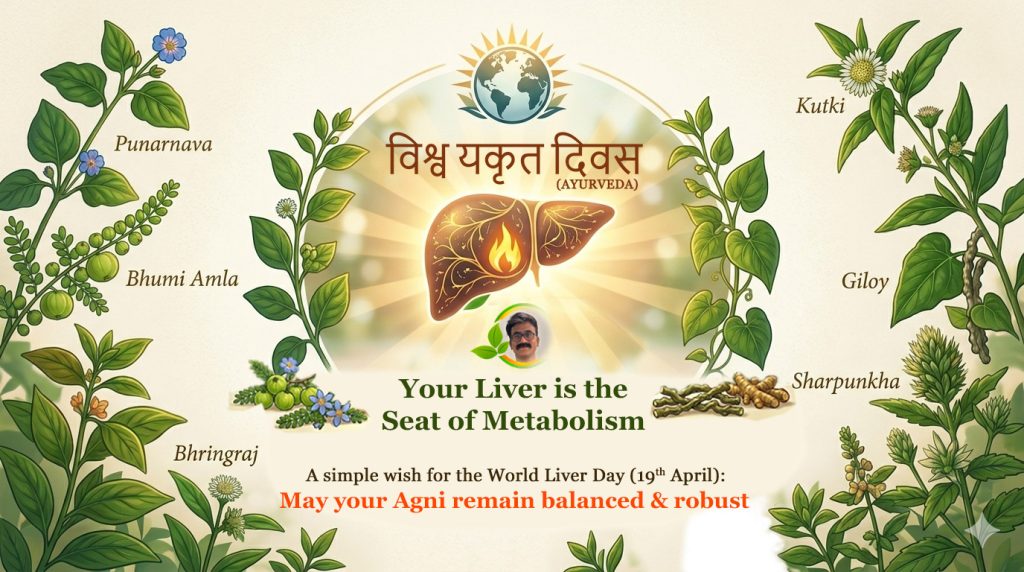
On the occasion of World Liver Day, we aim to raise awareness about liver health across the world. In India, approximately 250 million (25 crore) people suffer from fatty liver, medically known as Metabolic Dysfunction-Associated Steatotic Liver Disease (MASLD). Because symptoms like acidity, Burping , Bloating , Loss of appetite etc. often overlap with other conditions, it is frequently difficult to diagnose. It is crucial to avoid the risks of self-diagnosis and self-medication; always consult your physician for an accurate diagnosis.
The Ancient Mind-Body Connection
Olden Ayurvedic texts, dating back over 3,000 years, suggest that anger, depression, fear etc. and lack of sleep contribute to various metabolic and immune related diseases including liver disorders, now modern science has observed that, due to all these factors and behaviors there is an increased levels of cortisol and catecholamines. Modern science further corroborates that, these stress hormones disrupt liver metabolism, leading to insulin resistance, High sugars and fat accumulation. So ancient theories, describing the root cause behind these metabolic diseases are now being validated by modern clinical studies and scientific experiments too.
Symptoms of Liver Ailment
- Loss of appetite.
- Loss of interest in food.
- Constant exhaustion or fatigue.
- Abdominal bloating burping
- Pain or heaviness in the upper right abdomen (below the ribcage).
- Foul smell in the stool.
- Elevated liver enzymes (at least twice the normal value).
- Jaundice (yellowing of the skin and eyes).
- Abnormal results from diagnostic procedures such as Sonography or Fibroscan.
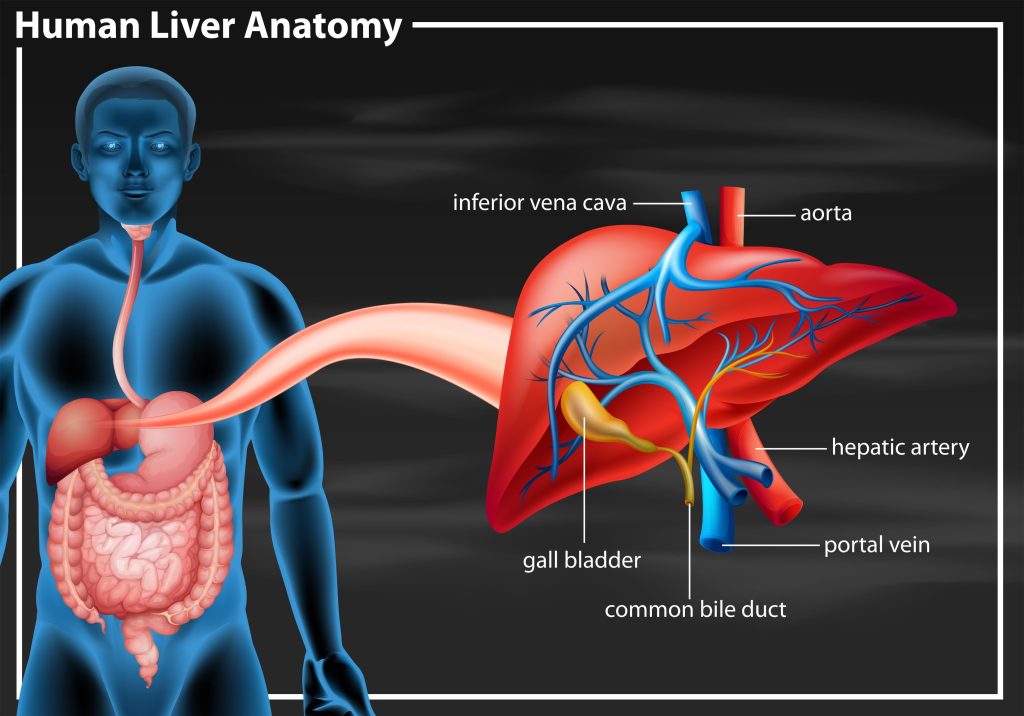
Crucial Functions of the Liver
The liver is the primary seat of metabolism and performs several vital roles:
- Hematopoiesis: In the early fetal stage, the liver and spleen produce blood cells.
- Energy Regulation: It produces glucose and energy while managing fat metabolism.
- Detoxification: It filters toxic elements consumed through food or medications.
- Storage: It acts as a reservoir for glucose (glycogen) and synthesizes lipids.
- Immunity & Clotting: It produces immune cells and essential blood-clotting factors.
- Digestion: It produces bile to aid digestion and improve gut health.
Functions of Healthy Liver

Healthy Living for Healthy Liver
Scientific evidence strongly supports consuming lunch before 1:00 PM and dinner before 7:00 PM. Insulin sensitivity declines significantly after 7:00 PM. Eating late disrupts metabolism, leading to hyperglycemia, impaired fat oxidation, and fatty liver disease.
The Evidence: A study showed that when the same calorie-controlled meal was consumed at 7:00 PM vs. 10:00 PM, the post-meal blood sugar was 140 mg/dL at 7:00 PM but soared to over 200 mg/dL at 10:00 PM.
Furthermore, napping for more than 30 minutes during the day can reduce liver metabolism by 15% to 20%. This habit—referred to in Ayurveda as “Divaswap“—increases the risk of metabolic syndrome, including obesity and heart disease. These findings are documented in respected journals like the Journal of Endocrinology and Cardiology.
Lifestyle Adaptations for Liver Longevity
- Regular Exercise: Ideally between 6:00 AM and 7:00 AM.
- Lunch: Before 1:00 PM.
- Dinner: Before or at 7:00 PM.
- Sleep: Early to bed, ideally between 8:00 to 8:30 PM.
- Napping: Avoid daytime sleep exceeding 30 minutes.
- Self-denial: Avoid alcohol tobacco consumption,
- Dietary Choices: Avoid oily, fried foods, refined carbohydrates, and unhealthy fats.
Ayurvedic Herbs for Liver Support
Note: These herbs should only be used under the guidance of an expert evidence-based Ayurvedic physician who considers the patient’s Prakriti (constitution) and medical history.
- Punarnava (Boerhavia diffusa): A potent hepatoprotective and antioxidant agent.
- Bhumi Amla (Phyllanthus niruri): Aids in detoxification and managing hepatitis B and fatty liver.
- Himsara (Capparis spinosa): Highly valued as a detoxifier to protect against liver damage.
- Bhringraj (Eclipta alba): Strengthens the liver and clears “Ama” (toxins) while stimulating bile.
- Giloy (Tinospora cordifolia): While potent, it must be used cautiously; excessive use has been linked to autoimmune-like liver injury in certain cases.
- Sharpunkha (Tephrosia purpurea): Known for its ability to treat cirrhosis and splenomegaly.
- Kutki (Picrorhiza kurroa): A powerful agent for cooling and detoxifying the liver.
Source:
Punarnava – https://pubmed.ncbi.nlm.nih.gov/29152040/
Bhuiamalki – https://pubmed.ncbi.nlm.nih.gov/16236476/
Himsara – https://pubmed.ncbi.nlm.nih.gov/22718675/
Bhringraj – https://pubmed.ncbi.nlm.nih.gov/23026306/
Giloy – https://pubmed.ncbi.nlm.nih.gov/36803756/
Sharpunkha – https://pubmed.ncbi.nlm.nih.gov/41852986/
Kutki – https://pubmed.ncbi.nlm.nih.gov/37900620/
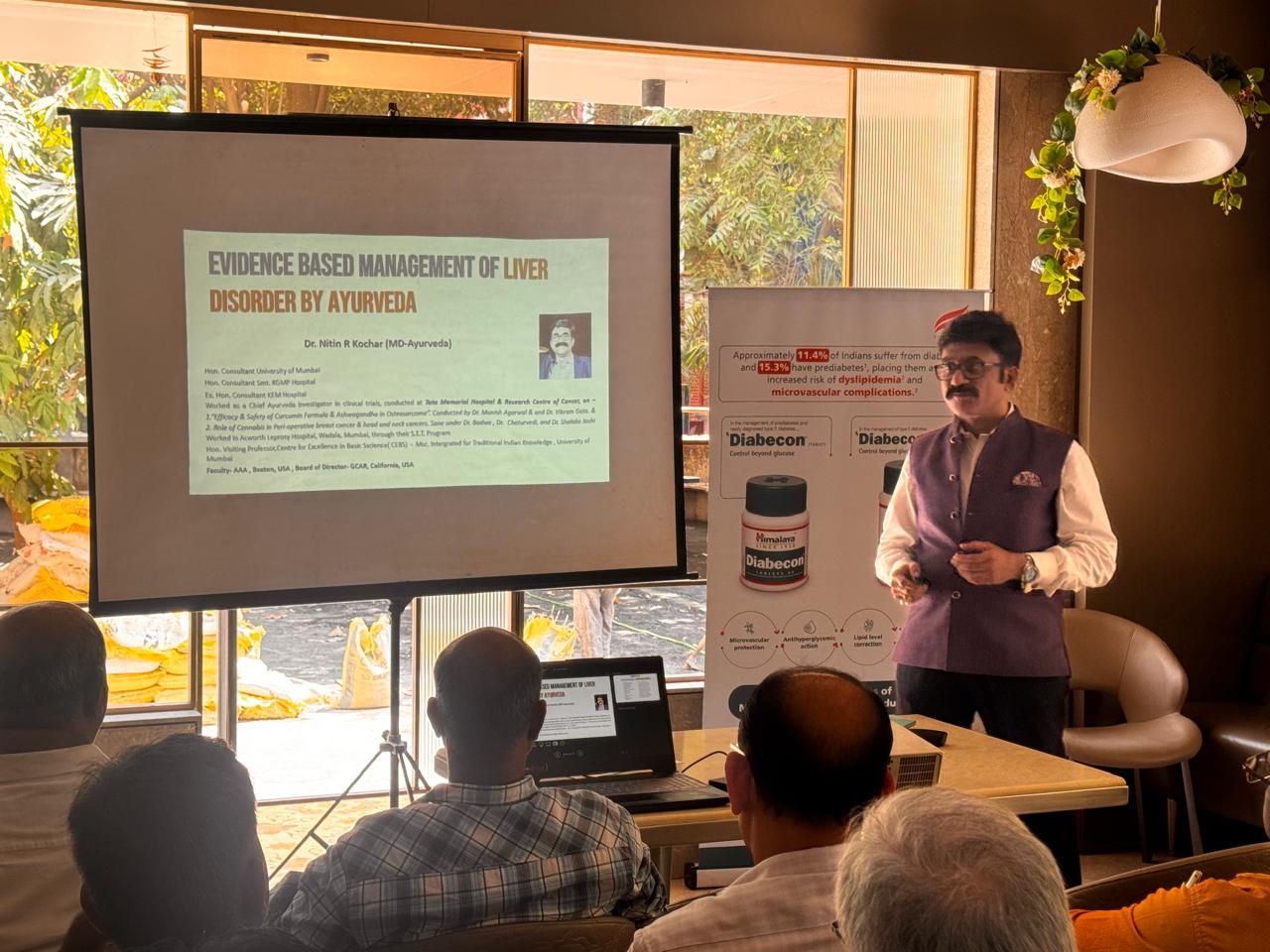
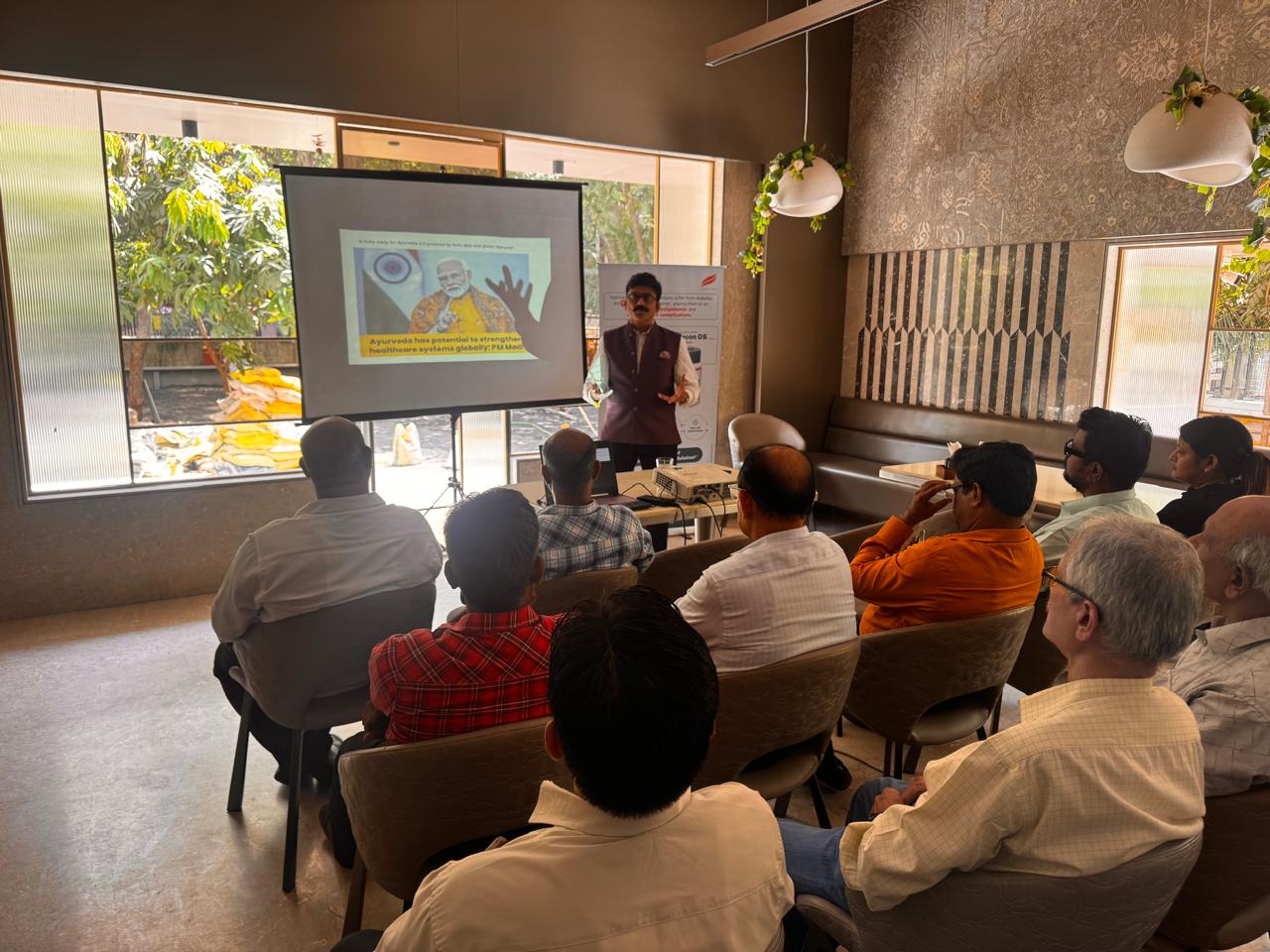
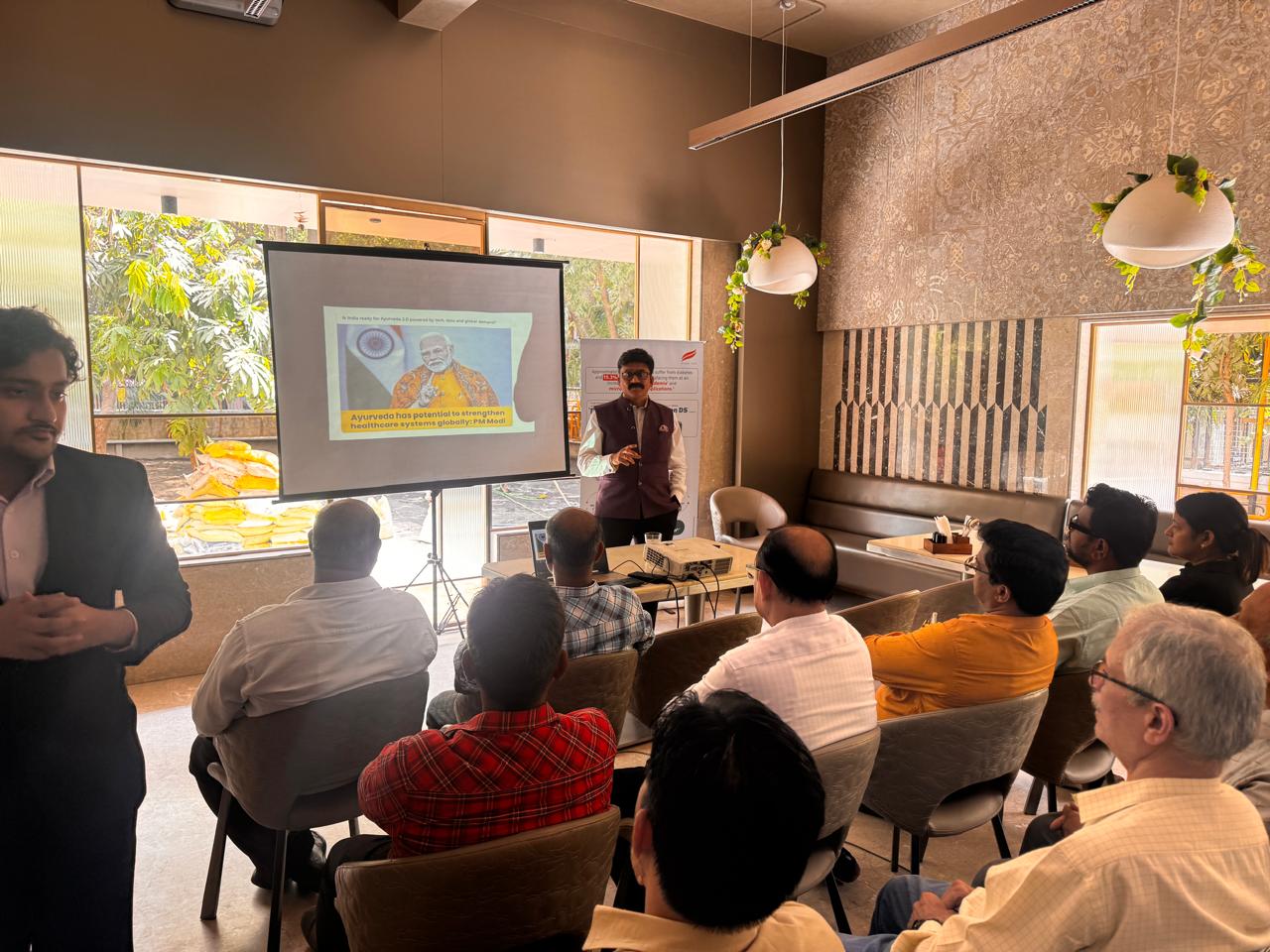
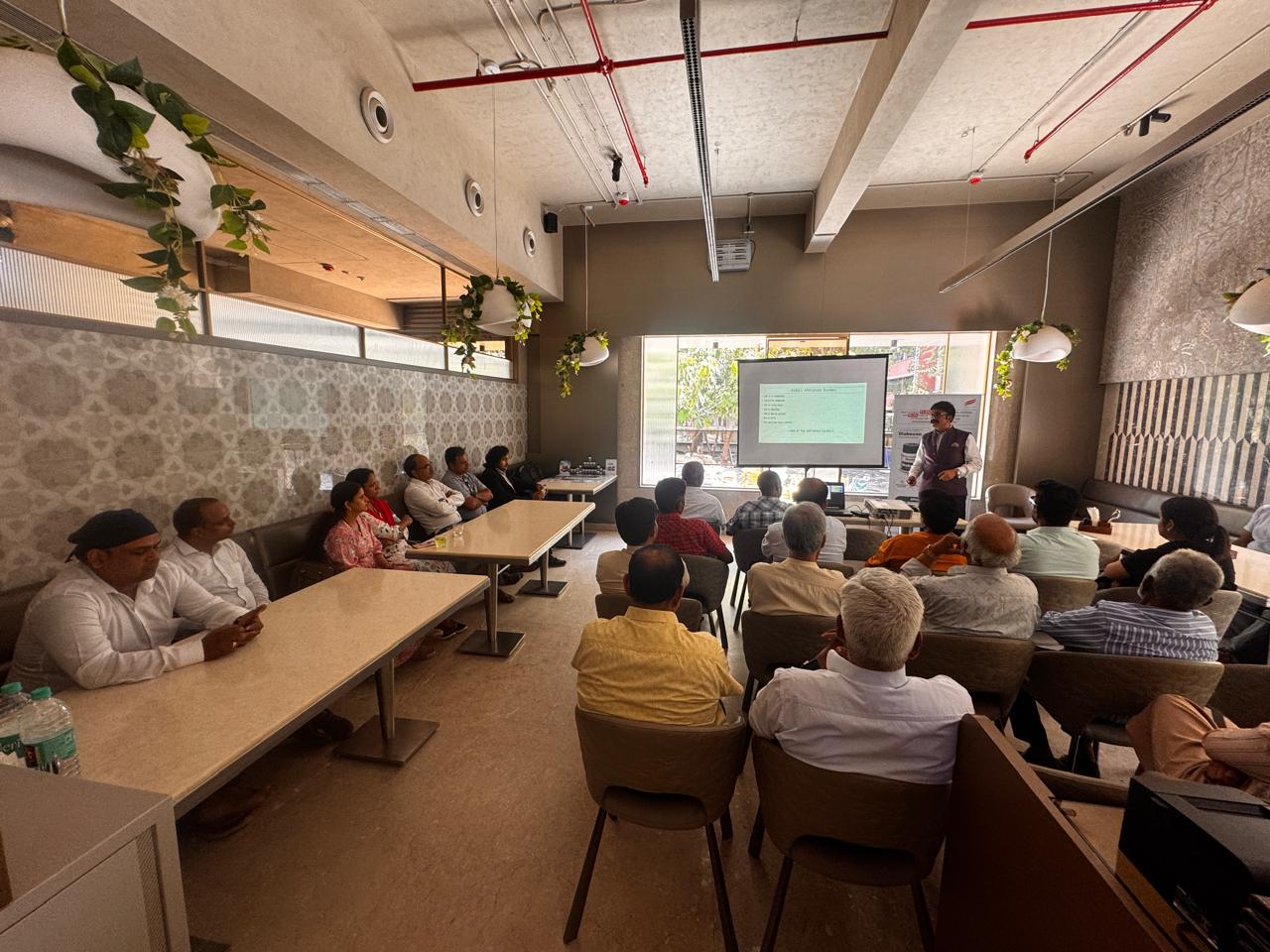
Dr. Nitin Kochar speaking on Evidence based management of Non-Alcoholic Fatty liver and Alcoholic fatty liver by Ayurveda to the group of family physicians, organized by Himalaya Wellness Company on 17th April 2026, at Kandivali, Mumbai.